In old Samoa every family had guardian animals
This one is a Samoan story about spiritual connections.
Every family had its own guardian aitu, or guardian spirit. The aitu was usually thought to live in a familiar creature or object.
According to Stair: 'every family has its own particular aitu or tutelary deity, who was usually considered to inhabit some familiar object.'
How was a Samoan child given a guardian?
During childbirth, a family would pray to its gods, one after another. Whichever spirit was called at the very moment of birth became that child's guardian.
For life.
The father's family god was usually prayed to first. If the labour was long or difficult, the mother's family god was called on next.
After the birth, the mother asked which god had been prayed to. That god's animal was honoured for the rest of the child's life.
Turner: 'Who were you praying to?'
The child was also named for the god in infancy.
Which animals were Samoan family guardians?
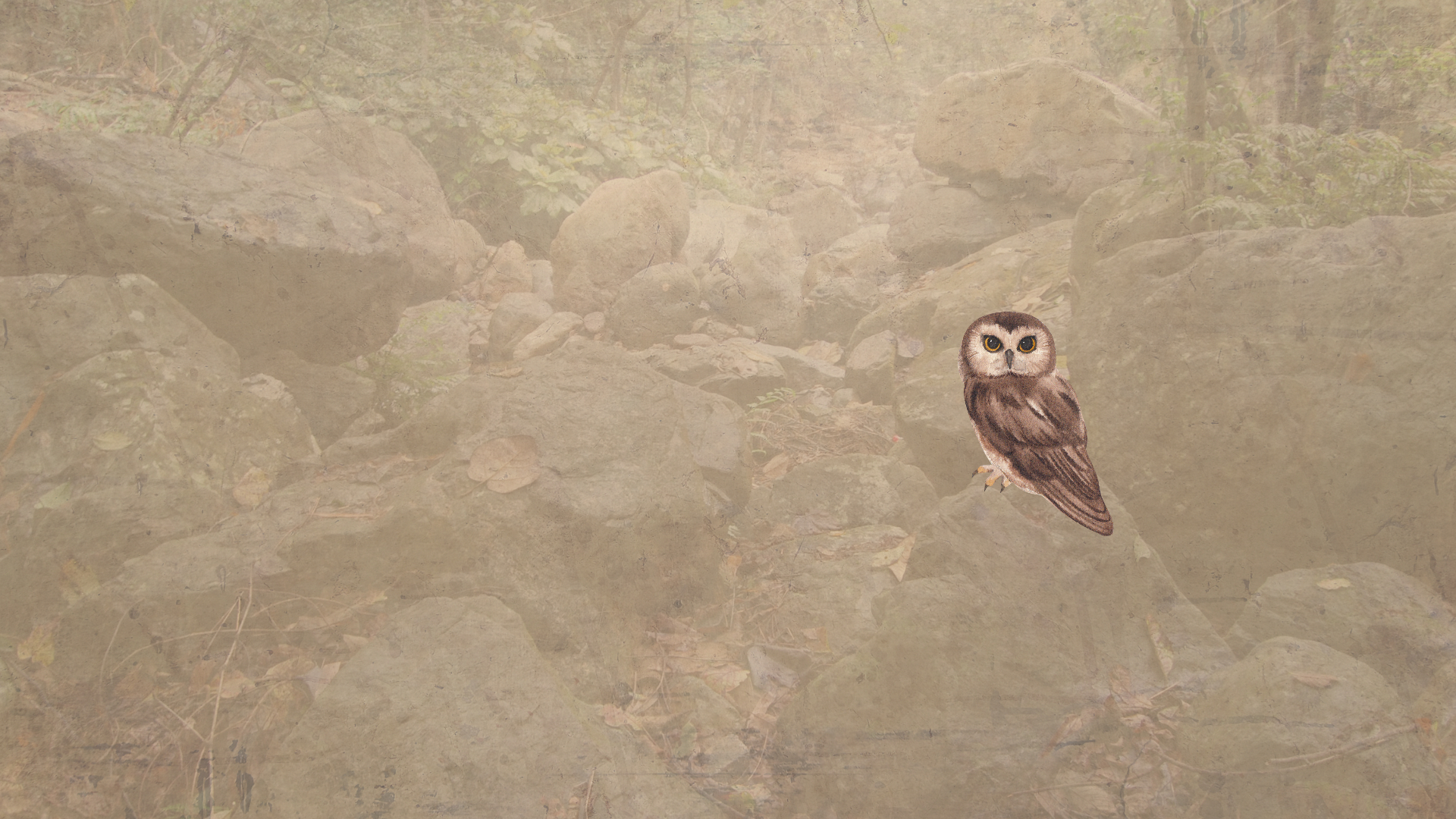
And the family's guardians showed up as animals. A turtle. An owl. A shark. A lizard. A dog. An eel. Various fish, birds, four-footed beasts and creeping things.
Turner records that gods were even believed to be present in some shellfish. 'One, for instance, saw his god in the eel, another in the shark, another in the turtle…'
Stair adds that aitu could take the form of birds, fish, reptiles and sometimes a human.
Stair also records a family whose god lived in a stone. Guardian animals were the main pattern, but not the only one. [Source conflicts]
Village gods had animal forms too: a bat, a heron, an owl.
Gods of the house: aitu fale
Turner calls these family gods aitu fale, 'gods of the house'.
The father was the family's high priest. He offered a short prayer at the evening meal so the family would be kept from fines, sickness, war and death.
At family feasts a cup of ava (Turner's spelling) was poured out as an offering.
The gods were believed to be present in the family house as well as in their animals.
What happened if you at your family's guardian animal?
Each family knew exactly which creatures carried their protectors... And these animals were never harmed. Never eaten.
Break the rule and suffer. The god would take up residence inside you and grow that same creature in your body.
Turner: 'taking up his abode in that person's body, and causing to generate there the very thing which he had eaten, until it produced death.'
The rule applied to your own guardian only. A man ate freely of an animal that was sacred to another family.
Turner: 'A man would eat freely of what was regarded as the incarnation of the god of another man'
How did Samoans mourn a sacred animal?
If you found one of your family's sacred animals dead by the side of the road...you mourned it. You sat down and wept over it and beat your forehead with stones. Then it was wrapped and buried with care and ceremony, as if it were a human body.
Turner's example is an owl: a dead owl found by the roadside, when the owl was the village god's animal.
Beating the forehead until the blood flowed was thought to please the god.
Said Turner: 'he would sit down and weep over it, and beat his forehead with stones till the blood flowed.'
The spirit never died
The spirit itself never died. It lived on in the creatures still swimming, still flying.
Turner: 'This, however, was not the death of the god. He was supposed to be yet alive, and incarnate in all the owls in existence.'
And Samoan traditions around spirits and animals continue, even today.
What the missionaries made of it
Turner and Stair were both London Missionary Society missionaries. They were writing about a religion they set out to replace. [The other side]
Turner called it a 'system of zoolatry' and 'a hard service'. That is a missionary's judgement, not how Samoans described their own beliefs.
Stair thought the devotion was shallow, because families watched others kill and eat their sacred shark.
Turner read the same rule as deadly serious: to eat your own god's animal was 'death'.
Both are outsiders' readings of the same facts. The Samoan understanding comes to us only through their filter.
What's more important is...
Which animal guardians do you believe watch over your family?
--
These are the written records of an oral tradition, set down by missionary observers; Samoan families and districts carry their own knowledge.
Sources
George Turner, Samoa, a Hundred Years Ago and Long Before (1884), pp. 17–18, 21–22, 78–79
John B. Stair, Old Samoa (1897), p. 216
About the Author
Lilieni
Writer & Builder | Founder, Anavatau
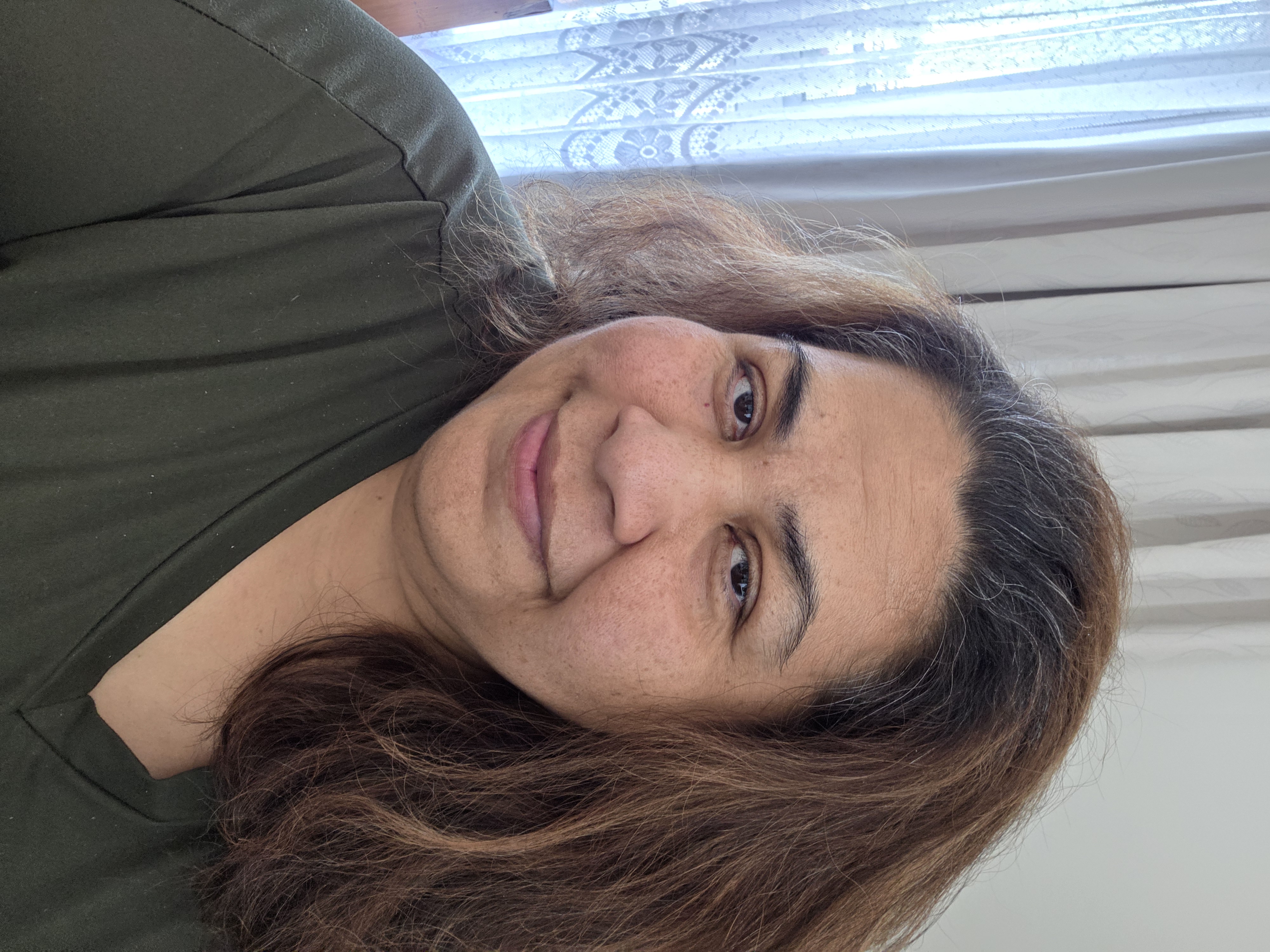
Lillian Arp is a Samoan-born writer and software engineer, and a lifelong student of Samoan language, culture and history. She built the Anavatau Heritage Archive when she got tired of hunting the web for Samoan resources, and publishes under Lilieni, the Samoan form of her first name, because that's what her grandmother called her.
https://anavatau.com