The founder of Malua College is why we know so much about pre-Christian Samoa
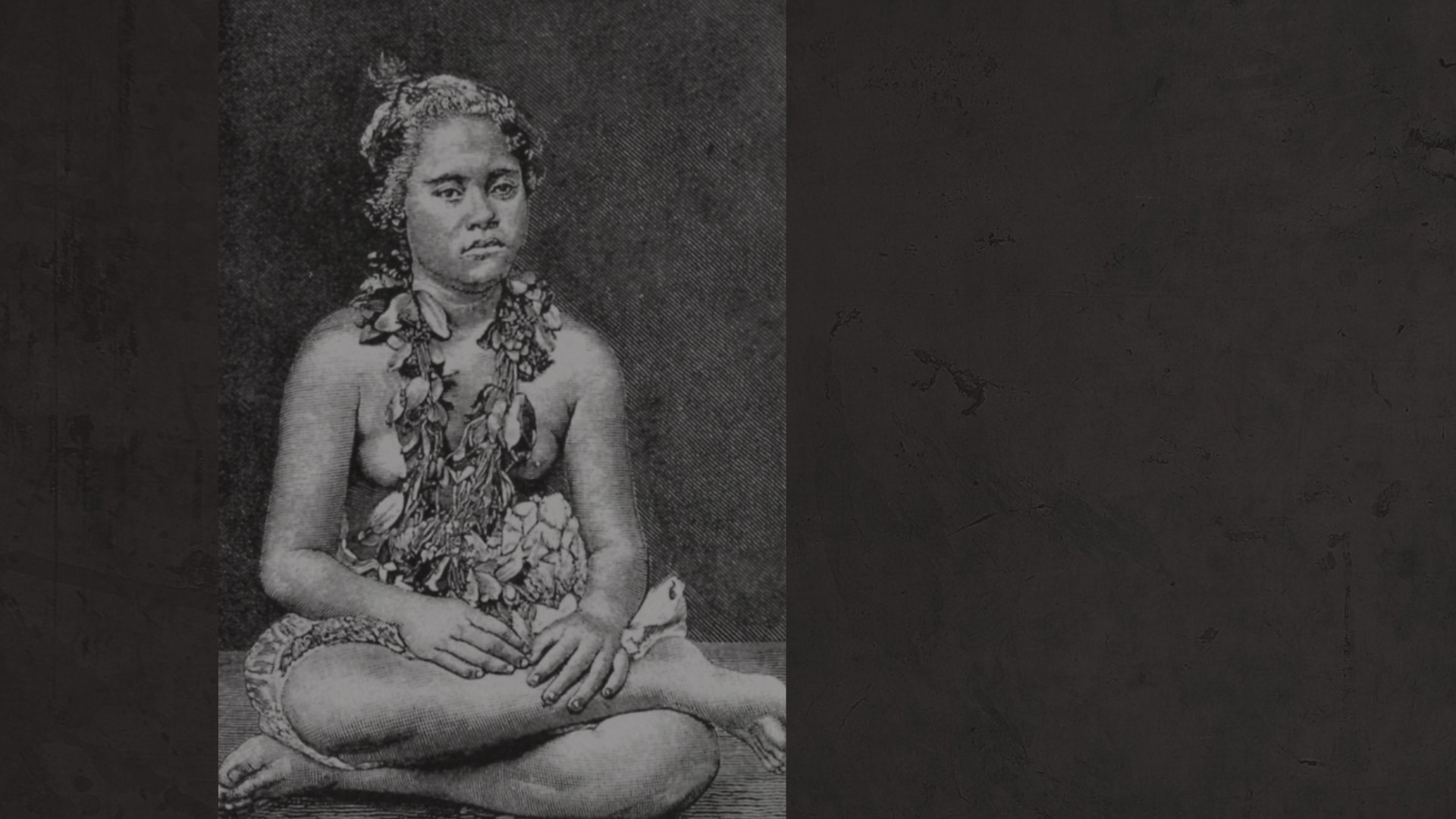
He came because a missionary was murdered. He stayed more than forty years. The books he filled are why we can still read so much of what Samoa believed before Christianity.
The missionary who wrote down old Samoa
Any thorough study of history needs to consider those who wrote it.
This is the first post in the Written Samoa series, which is about the scribes behind the records of our old Samoa traditions.
Who was George Turner?
George Turner, LL.D., of the London Missionary Society served for more than forty years in Samoa. His two books (1861 and 1884) documented how Samoans lived - our gods, customs, beliefs and traditions - before Christianity arrived. He was one of the first to record in writing the history of Samoa.
The two books are Nineteen Years in Polynesia (London, 1861) and Samoa, a Hundred Years Ago and Long Before (1884).
'"More than forty years": Malua opened in 1844 and Lauli'i Willis was still writing to Turner there in 1889. Forty-five years between anchored points, stated as a floor. There were furloughs.'
Samoa was not his mission
John Williams - who brought the gospel to Samoa in 1830 - was killed in the New Hebrides (today's Vanuatu). The day before he died, he landed three Samoan missionaries in Tanna. George Turner and his wife were sent to join them and renew the church's work. But the New Hebrides was not kind to the Turners either.
Turner's own book names two missionaries, John Williams and Charles Barff, and they arrived with Tahitian teachers. The one-name version is the popular shorthand.
The records of the day ranked Samoans as "teachers" while Europeans held the title "missionary." The three men Williams landed on Tanna went as pioneers and did the work of missionaries. The rank language is itself part of the history.
The LMS resolved on the new effort in November 1839. The Turners sailed for Tanna in June 1842.
Escape to Samoa
The people on Tanna were continually at war. They blamed an epidemic on the missionaries; priests circled their house night and day. Then, a local 'friend' led an ambush to put them to death. Less than a year after they'd arrived, the Turners escaped in the night aboard a whaling ship headed for Samoa. In Apia, they found welcome and much needed rest.
The epidemic was dysentery. The priests pointed out that the mission household itself stayed well.
Turner: "Look at themselves," said they, "they are all well, and the people who pray with them are all well…"
Turner's chapter title for the plot is 'Council to put us to Death'. The 'friend' was a man named Teman.
The ship was the brig Highlander of Hobart Town, Captain Lucas, out whaling. The crew had called in to see 'whether we were dead or alive'.
Turner agreed to pay £200 for the passage. They boarded 'a little after midnight on Sabbath night… before the natives could muster to hinder us.'
Turner dates the escape to 1843.
A refuge and a foundation
In Samoa, Turner was given charge of a mission district, guiding teachers and congregations in 16 villages. In 1844 the mission resolved to build a training institution. Together with Charles Hardie, George Turner founded the Samoan Mission Seminary. Today this institution thrives as the Malua Theological College of Samoa.
Turner's own description of his district role is 'a sort of bishop'.
The decision was made at a general meeting of the mission in March 1844. It appointed 'Mr. Hardie and myself'.
The first class opened on 24 September 1844.
Malua was built up 'principally by the industry of the students themselves'.
The mission's own figure is 'fully two thousand' ministers trained there, including men from the New Hebrides, New Caledonia and Tokelau.
There were no textbooks, so Turner and his fellow tutor wrote out their lecture notes every day for the students to copy.
For many years he spent about five hours a day preparing translations.
He called the college the Samoan Mission Seminary; we call it Malua. Charles Hardie's first name comes from the catalogue of the LMS South Seas journals.
Documenting old Samoa
By 1861, Turner was already recording 'Samoa as it was,' including our tradition that the first people were grown from worms inside dying vines. Why? He wanted to 'contribute to the data…in studying the comparative history of the human race.' He also wanted to track changes in Samoan life, 'effected under the benign and ameliorating influences of Christianity.'
Turner's stated reason, in full, is the only motive he gives anywhere.
'Missionary life will here be seen in a variety of aspects, and a number of things brought to light respecting the manners, customs, and mythology of the native tribes of Polynesia, which, it is hoped, will prove interesting to the friends of missions, and at the same time contribute to the data, after which many, at the present day, are in search, in studying the comparative history of the human race.'
His method, in one sentence: 'The Samoans have no consecutive tales of these early times; but we give the disjointed fragments as we find them.'
He never describes his informants or how he collected the traditions.
The scribe and the preacher
Turner wrote prolifically. He published one of the largest collections of Samoa's pre-Christian beliefs and traditions. He also recorded his own reactions. 'The worms had become men and women! A strange account of man's origin! But how affectingly it reminds one of his end! "They shall lie down alike in the dust, and the worms shall cover them."'
He doesn't name the Scripture he quotes.
His verdict-words about Samoans sit side by side with his dismissal of their religion. 'to missionaries and residents they knew, Samoans were 'always hospitable and polite'.. He described the old religion as 'a host of imaginary deities'
And he watched it disappear
On the reception of Christianity, temples were destroyed, the sacred groves left to be overrun by the bush, the shells and stones and divining cups were thrown away, and the fish and fowls which they had previously regarded as incarnations of their gods were eaten without suspicion or alarm. In a remarkably short time, under God's blessing, hardly a vestige of the entire system was to be seen.' – George Turner, 1861
He credited the change to "God's blessing" and explained Samoan conversion by calling the old religion "a hard service" run by "a cunning and avaricious priesthood." That is a missionary's reading of Samoan motive. We quote it as evidence of how he saw the change.'
Read slide 8 again and notice every verb is passive. Temples were destroyed. Cups were thrown away. The incarnate fish and fowls were eaten. Nobody but Samoans was eating Samoan gods. It is a record of what Samoans did, in Samoan hands, whatever we make of the pressures around it. How freely it all happened is another discussion.
'"Hardly a vestige of the entire system" means the religious system. The chapters right after that sentence describe Samoan life at length: hospitality, food, clothing, childbirth, burial.'
He didn't think the conversion was complete. In his own district he held candidates back from church membership 'year after year'.
Twenty-three years, one sentence
Turner uses the same sentence in both books. [r74, r68] Set the two versions side by side and say nothing about why the second one changed.
Turner 1861: 'But as the physical characteristics and language of Central and Eastern Polynesia are well known, I pass on to other matters.'
Turner 1884: '…I pass on to other and traditionary matters, and begin with what the Samoans have to say on Cosmogony and Man.' [r68]
The old Dr. Turner
In 1889, a Samoan author - Lauli'i Willis, who had grown up inside the Turner mission world - was still writing letters to 'the old Dr. Turner' at Malua. Forty-five years after the college opened, he was still at his desk, raising another generation of Samoan ministers. The man who worked to replace Samoa's old religion also kept the detailed record of it that her diaspora cherishes today.
Lauli'i Willis: 'I wrote to Malua, to the old Dr. Turner (I call him so to distinguish him from his son young Dr. Turner, who has his training school at Apia)…'
Not the only scribe
Turner wasn't the only scribe. John B. Stair, Augustin Krämer, George Pratt and John Williams recorded old Samoa too. Turner's record is one of the largest, and it reaches furthest back into our origins. This series will get to the others.
This is the first post in our series to discover the scribes of Samoa's history, starting with a man whose notes aimed furthest back in time.
About the Author
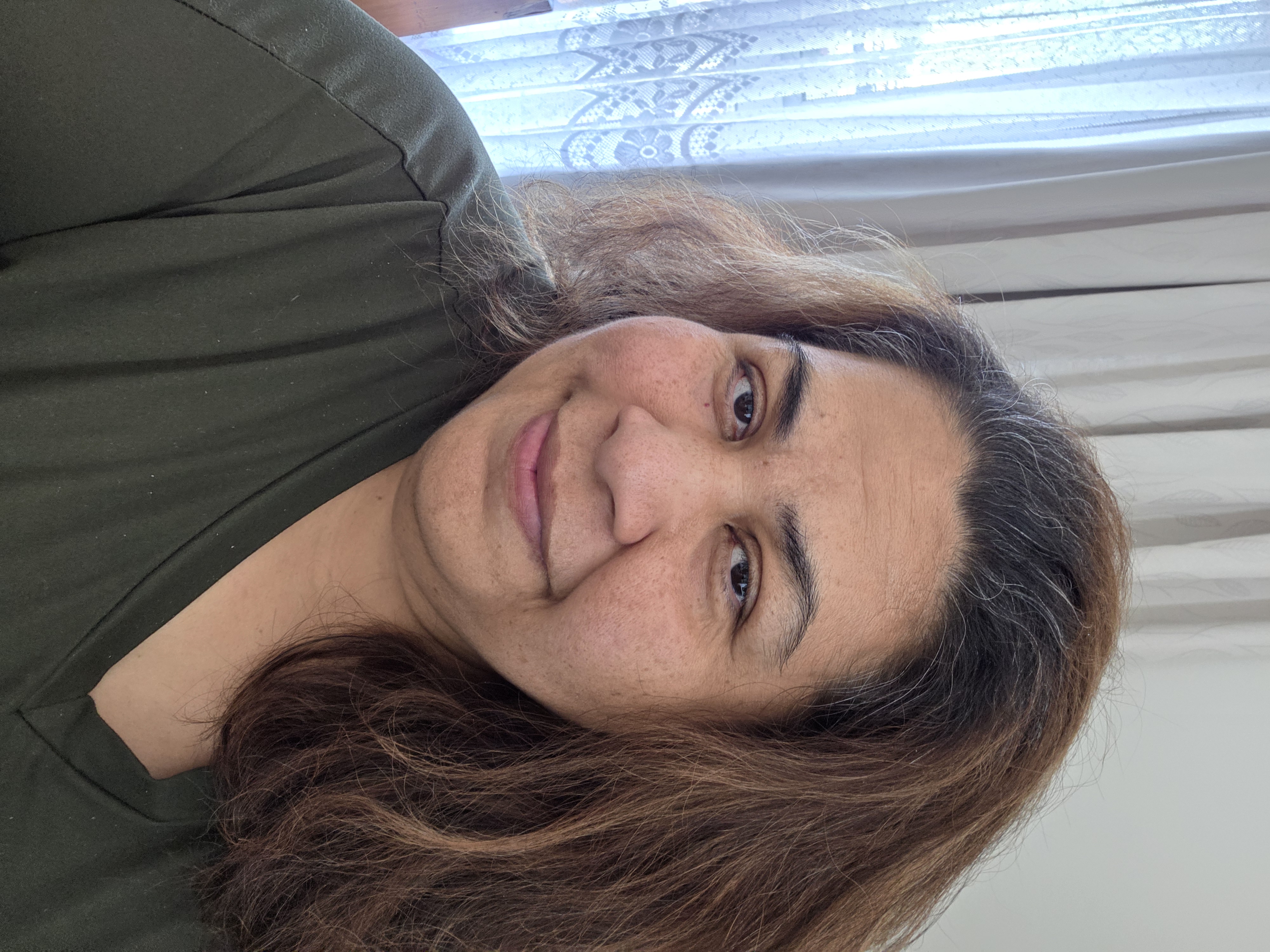
Lilieni
Writer & Builder | Founder, Anavatau
Lillian Arp is a Samoan-born writer and software engineer, and a lifelong student of Samoan language, culture and history. She built the Anavatau Heritage Archive when she got tired of hunting the web for Samoan resources, and publishes under Lilieni, the Samoan form of her first name, because that's what her grandmother called her.
https://anavatau.com